Labneh Explained: Thicker Than Yogurt, Better Than Cream Cheese
Step aside, traditional yogurt and common cream cheese. There’s a Middle Eastern dairy delight that promises a unique culinary experience, combining the best qualities of both with an added depth of flavor and texture: Labneh. This creamy, tangy "yogurt cheese" is not only incredibly versatile but also surprisingly simple to create right in your own kitchen. Prepare to discover why making homemade labneh will become your new favorite culinary adventure, and how transforming it into delicious labneh balls can elevate any meal or snack.
What Exactly Is Labneh? The Middle Eastern Secret Revealed
At its heart, labneh is a thick, fresh cheese with roots deeply embedded in Middle Eastern cuisine. While often compared to thick cream cheese due to its spreadable consistency, and to Greek yogurt for its characteristic tang, labneh carves out its own distinct identity. It offers a luxurious mouthfeel that is simultaneously rich and refreshing, making it an indispensable staple in many households across the region.
The magic of labneh lies in its simplicity: it’s essentially yogurt that has been strained to remove most of its whey (the liquid component). This process concentrates the milk solids, resulting in a product far denser and creamier than even the thickest Greek yogurt, and distinctly tangier than most cream cheeses. Unlike cream cheese, which is typically made from curdled cream and whole milk, labneh starts with yogurt, giving it a lighter, often healthier profile brimming with beneficial probiotics.
While often mentioned in the same breath, it's important to distinguish labneh from other regional dairy products like Laban. Laban is a drinkable fermented milk, usually thinner and sweeter, whereas labneh is a thick, spreadable cheese with a tart kick. The straining process for labneh is also more intensive than that for Greek yogurt; while Greek yogurt is typically strained once, labneh often undergoes a double straining, yielding its exceptionally thick texture.
The Irresistible Appeal of Homemade Labneh
If you've never ventured into making your own dairy products, labneh is the perfect place to start. The ease, economy, and sheer satisfaction of creating this delectable spread at home are unparalleled. All you truly need is one core ingredient – high-quality natural yogurt – and a pinch of salt. The transformation from liquid yogurt to firm, luscious labneh feels almost like culinary alchemy.
Why choose homemade labneh over store-bought alternatives? Beyond the budget-friendly aspect, making it yourself offers complete control over the ingredients and the final texture. You can opt for full-fat yogurt for an extra rich and creamy result, or a lower-fat option for a lighter spread. The straining time dictates the thickness, allowing you to customize your labneh for various uses – from a softer, dippable consistency to a firm, sliceable cheese. Typically, you'll yield about half the weight of your initial yogurt as labneh, with the other half as whey – a valuable byproduct often rich in protein and probiotics, perfect for smoothies, baking, or even watering plants!
The process is incredibly straightforward: combine yogurt and a touch of salt, then pour it into a cheesecloth or a nut milk bag suspended over a bowl. Gravity does most of the work, slowly dripping the whey away. Strain for at least 6 hours for a soft spread, or up to 24 hours (or even longer) for a much thicker, almost crumbly cheese. Placing it in the refrigerator during longer straining periods is advisable. For a comprehensive guide to perfecting this process, be sure to explore our detailed instructions in Mastering Homemade Labneh: Your Easy One-Ingredient Guide.
Crafting Perfect Labneh Balls: A Culinary Elevation
While plain labneh is a delight on its own, rolling it into flavorful labneh balls is where this Middle Eastern delicacy truly shines and enters the realm of gourmet snacking. This technique not only transforms the texture and presentation but also acts as a fantastic preservation method, allowing you to enjoy your homemade creation for weeks.
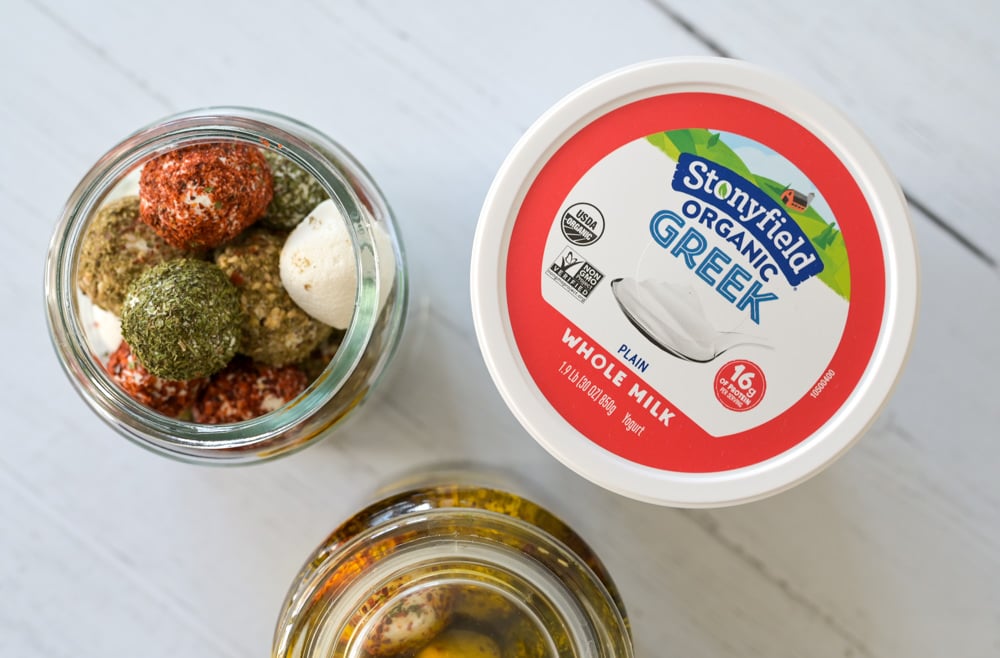
Once your labneh has reached a sufficiently firm consistency (usually after at least 12-24 hours of straining), you can begin shaping it. Simply scoop small portions and roll them between your palms into uniform spheres. The true artistry comes in the coatings. Inspired by bold Mediterranean flavors, these little cheese balls can be rolled in an array of vibrant herbs and spices. Popular choices include fragrant za'atar, tangy sumac, finely crushed pistachios, or a medley of dried herbs like oregano and mint. These coatings not only add stunning visual appeal but infuse each bite with an explosion of complementary flavors.
After coating, the labneh balls are traditionally nestled into a jar and completely submerged in high-quality extra virgin olive oil. This acts as both a flavor enhancer and a natural preservative. Stored this way in the refrigerator, they can last for several weeks, if not months, their flavors deepening over time. Labneh balls are an absolute showstopper on any cheese board, mezze platter, or appetizer tray, offering a sophisticated and flavorful alternative to more common cheeses. Discover more creative ideas for flavoring and storing your rolls in Roll Your Own: Easy Labneh Balls with Mediterranean Herbs.
Serving Suggestions and Beyond: Embracing Labneh's Versatility
The versatility of labneh is one of its most compelling attributes. Its creamy texture and tangy profile make it a fantastic base for countless dishes, far surpassing the utility of many other spreads. Here are just a few ideas to inspire your culinary exploration:
- Savory Dip: Swirl plain labneh with a drizzle of olive oil, a sprinkle of za'atar, and a dash of red pepper flakes for an instant, irresistible dip for pita bread, fresh vegetables, or crackers.
- Breakfast Spread: Replace cream cheese on your morning bagel or toast with labneh for a lighter, tangier start to your day. Top with honey or fresh fruit for a sweet twist, or with sliced cucumbers and mint for a savory option.
- Salad Booster: Dollop labneh onto salads for a creamy, protein-rich addition that acts as a dressing.
- Sandwich & Wrap Filler: Use it as a base spread in sandwiches or wraps, adding moisture and a delightful tang. It pairs beautifully with grilled vegetables, falafel, or roasted chicken.
- Garnish for Soups & Stews: A spoonful of labneh can brighten and add creaminess to lentil soup or rich stews.
- Mezze Platter Star: Labneh balls, marinated in olive oil and herbs, are the undisputed highlight of any mezze spread, served alongside olives, hummus, and crunchy nuts.
Whether you're looking for a healthier alternative to cream cheese, a thicker and more flavorful stand-in for yogurt, or simply a delicious new ingredient to experiment with, labneh delivers. Its natural probiotics contribute to gut health, making it not just a tasty choice, but a wholesome one too.
The Labneh Revolution Starts in Your Kitchen
From its humble beginnings as strained yogurt to its elevated form as herb-crusted labneh balls preserved in olive oil, labneh offers an extraordinary culinary journey. It’s a testament to the power of simple ingredients and traditional methods, yielding a product that is both familiar and exotic, comforting and exciting. The journey of making homemade labneh is incredibly rewarding, opening up a world of fresh flavors and healthy possibilities. So, gather your yogurt, cheesecloth, and a sense of adventure, and prepare to welcome this Middle Eastern delicacy into your home – it's a taste sensation you won't soon forget.
